

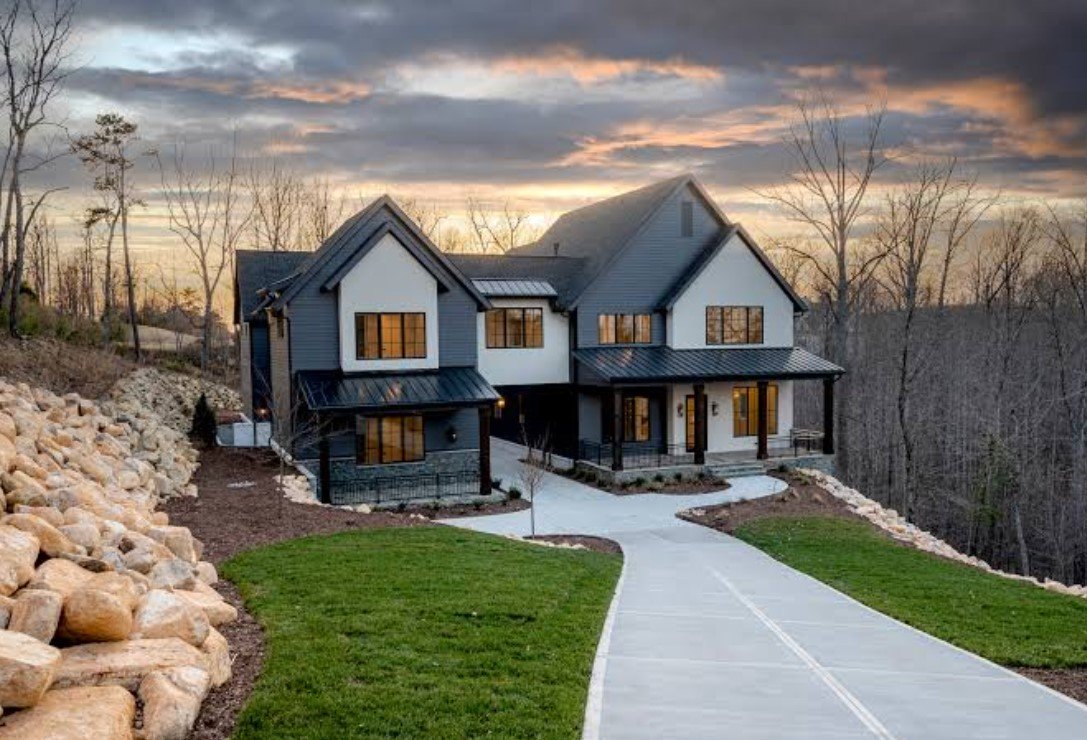
Building a custom home is an exciting opportunity to create a living space that matches your lifestyle, personal preferences, and long-term goals. From choosing the floor plan to selecting finishes, every decision can influence the final price. Understanding the Cost to build a custom home before construction begins can help you create a realistic budget, avoid unexpected financial pressure, and make smarter decisions throughout the project.
The total cost varies significantly from one project to another. Location, land conditions, home size, design complexity, materials, labor, permits, and upgrades all play important roles. A carefully planned budget allows you to prioritize the features that matter most while maintaining better control over your investment.
Location and Land Costs
One of the first factors affecting the Cost to build a custom home is where you plan to build. Construction costs can differ greatly depending on the city, neighborhood, and local market. Areas with higher labor rates, expensive materials, or strong demand for housing may require a larger construction budget.
The land itself is another major expense. Purchasing a lot is only part of the equation. Before construction starts, you may need to pay for land clearing, grading, excavation, soil testing, drainage improvements, and utility connections.
A property that appears affordable at first may require extensive site preparation. For example, building on a steep slope or uneven land can increase excavation and foundation costs. Similarly, a rural lot may require additional spending to connect electricity, water, sewer, or other essential services.
Home Size and Square Footage
Generally, larger homes cost more to build because they require more materials, labor, and time. However, the relationship between square footage and price is not always simple.
A larger home with a straightforward layout may have a lower cost per square foot than a smaller home with an extremely detailed design. Bathrooms, kitchens, and other spaces containing plumbing, cabinetry, and specialized finishes can be more expensive than basic bedrooms or open living areas.
When estimating the Cost to build a custom home, consider both the total size of the property and how the space will be used. Designing a home around your actual needs can help prevent overspending on unnecessary square footage.
Ways to Control Size-Related Costs
- Focus on functional spaces rather than unused rooms.
- Consider an efficient floor plan with less wasted hallway space.
- Limit unnecessary additions that increase the building footprint.
- Plan storage areas carefully.
- Balance your current needs with future requirements.
Smart design decisions can make a home feel spacious and comfortable without dramatically increasing construction costs.
Design Complexity and Architectural Features
The complexity of your home’s design can have a major impact on the overall budget. A simple rectangular or square structure is generally easier and less expensive to construct than a home with numerous corners, curves, rooflines, and structural changes.
Custom architectural features may increase both material and labor expenses. Examples include vaulted ceilings, large spans, extensive glass walls, complicated staircases, custom roof designs, and unique exterior elements.
This does not mean you must avoid distinctive features. Instead, it is important to understand their financial impact before finalizing the plans. Working closely with your architect, designer, and builder can help you identify areas where the design delivers the greatest value for your budget.
Material Quality and Interior Finishes
Materials and finishes can create significant differences in the Cost to build a custom home. Homeowners have choices at nearly every stage of construction, including flooring, countertops, cabinets, roofing, windows, doors, lighting, appliances, and fixtures.
Premium products can improve appearance, durability, and performance, but they also increase the overall investment. Small upgrades across multiple rooms can quickly add thousands to the final budget.
It is helpful to divide selections into three categories: essential, preferred, and optional. Invest in areas where quality is especially important, such as structural components, insulation, windows, and systems that are difficult or expensive to replace later. Decorative elements that can be upgraded in the future may offer more flexibility.
Labor and Construction Market Conditions
Skilled labor is another important part of the Cost to build a custom home. Builders rely on various professionals, including electricians, plumbers, HVAC technicians, framers, roofers, painters, and finish carpenters.
Labor costs depend on local availability and market demand. When skilled workers are in high demand, construction prices may rise. Material shortages and supply chain issues can also affect project costs and timelines.
Before signing a construction agreement, ask how changes in labor or material pricing will be handled. Understanding the contract terms can help you prepare for possible adjustments and reduce surprises during the building process.
Permits, Fees, and Professional Services
Many first-time custom home builders focus heavily on visible construction expenses while overlooking permits and professional fees. Depending on the location and project requirements, you may need to budget for building permits, inspections, engineering services, architectural plans, surveys, and other approvals.
These costs can vary widely. Some projects may also require environmental studies, special site evaluations, or additional infrastructure improvements.
Including these expenses in your initial budget provides a more accurate picture of the total investment required to complete your home.
Utilities and Site Development
A finished house needs more than walls and a roof. Site development can include driveways, sidewalks, landscaping, drainage systems, retaining walls, fencing, and utility installation.
If utilities are already available at the property, these costs may be more manageable. However, extending water, sewer, electrical, or communication services to a new site can significantly affect the Cost to build a custom home.
Discuss site conditions with qualified professionals early in the planning process. Identifying potential challenges before construction begins can be far less expensive than discovering them after work is underway.
Upgrades and Change Orders
One of the easiest ways for a construction budget to grow is through changes made during the building process. Changing flooring, moving walls, upgrading fixtures, or adding new features after construction has started may result in additional material, labor, and scheduling costs.
Create as many decisions as possible before building begins. While some changes may be unavoidable, a detailed plan reduces the likelihood of costly last-minute modifications.
It is also wise to maintain a contingency fund for unexpected expenses. Having additional money available can provide valuable protection if unforeseen site conditions or necessary changes arise.
Final Thoughts
The Cost to build a custom home depends on much more than the price per square foot. Land conditions, location, home size, design choices, materials, labor, permits, utilities, and upgrades all contribute to the final budget.
The best approach is to plan early, research each major expense, and work with experienced professionals who can provide realistic estimates. Establish clear priorities and leave room in your budget for unexpected costs. With careful preparation and informed decision-making, you can build a custom home that reflects your vision while maintaining stronger control over your financial investment.
