

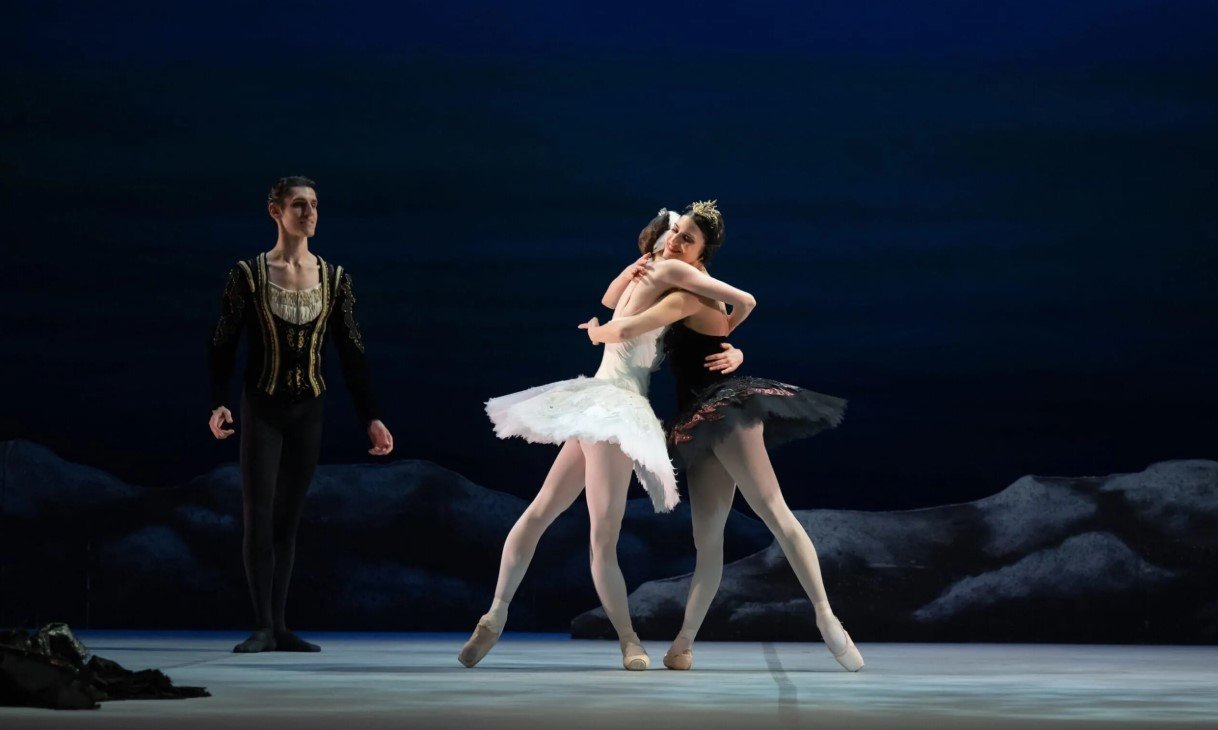
Ballet is one of the world’s most graceful and respected forms of dance, admired for its elegance, discipline, and storytelling. While audiences today associate ballet with grand theaters, pointe shoes, and famous companies around the world, its origins were far more modest. Many people often ask, Where did ballet first start The answer takes us back several centuries to the royal courts of Renaissance Europe, where dance was a symbol of culture, wealth, and power.
Understanding Where did ballet first start helps us appreciate how this classical dance transformed from royal entertainment into a globally celebrated art form. This article explores ballet’s beginnings, its evolution, and the key figures who shaped its remarkable history.
What Is Ballet?
Before exploring Where did ballet first start, it’s important to understand what ballet is.
Ballet is a highly technical form of dance that combines precise movements, expressive storytelling, music, and theatrical performance. It emphasizes posture, flexibility, balance, and coordination while conveying emotions through graceful choreography.
Today, ballet is performed worldwide, but its roots stretch back hundreds of years into European history.
Where Did Ballet First Start?
The answer to Where did ballet first start is Italy during the Renaissance, around the 15th century.
During this period, wealthy Italian noble families frequently hosted lavish celebrations featuring music, poetry, theatrical performances, and dance. These court entertainments gradually developed into organized dance performances that resembled early ballet.
Rather than performing on theater stages, dancers entertained guests inside royal palaces during weddings, festivals, and important political celebrations.
Italian aristocrats viewed dance as an important social skill, making it a regular part of noble education.
The Renaissance Influence on Ballet
The Renaissance was a period of artistic and cultural revival across Europe.
During this time:
- Art flourished.
- Music became increasingly sophisticated.
- Architecture evolved dramatically.
- Dance gained new importance among the upper classes.
Court dances became more elaborate, incorporating carefully planned steps and coordinated group performances. These developments laid the foundation for classical ballet.
The Renaissance encouraged creativity and innovation, allowing dance to become more structured than ever before.
Catherine de’ Medici’s Role in Ballet History
When discussing Where did ballet first start, one historical figure deserves special attention: Catherine de’ Medici.
Born into the powerful Medici family of Florence, Italy, Catherine married King Henry II of France in 1533. She brought many Italian cultural traditions to the French court, including elaborate court dances.
Her influence proved transformative because she supported extravagant performances that combined:
- Dance
- Music
- Poetry
- Costumes
- Scenic design
One of the earliest and most famous ballet productions, Ballet Comique de la Reine, was performed in France in 1581 under her patronage.
This performance is often considered one of the first true ballets because it united storytelling with choreographed dance.
How Ballet Moved from Italy to France
Although Where did ballet first start points to Italy, France became the country that refined and popularized ballet.
French royalty enthusiastically embraced court dancing, making it an important aspect of aristocratic life.
The French court developed:
- More formal dance techniques
- Standardized positions
- Professional choreography
- Better training methods
Over time, France replaced Italy as the leading center of ballet development.
King Louis XIV and the Birth of Classical Ballet
No discussion of ballet history is complete without King Louis XIV of France.
Known as the “Sun King,” Louis XIV loved dancing and personally performed in court ballets.
His passion transformed ballet forever.
Major Contributions of King Louis XIV
- Founded the Royal Academy of Dance in 1661.
- Encouraged professional dance instruction.
- Helped standardize ballet technique.
- Supported professional choreographers.
- Elevated ballet from court entertainment to theatrical art.
His support created the foundation for modern ballet training that continues today.
The Development of Ballet Technique
As ballet evolved, dancers required more structured instruction.
Teachers developed standardized techniques, including:
The Five Basic Positions
The famous five positions of the feet became the cornerstone of ballet instruction.
Turnout
Rotating the legs outward improved movement possibilities and created ballet’s distinctive appearance.
Controlled Movements
Balance, precision, and graceful posture became essential skills.
These principles remain central to ballet education around the world.
Early Ballet Costumes
The earliest ballet dancers did not wear the lightweight costumes seen today.
Instead, performers wore:
- Heavy gowns
- Elaborate wigs
- Decorative masks
- Rich fabrics
- Formal court clothing
Although beautiful, these costumes limited movement considerably.
Over time, costumes became lighter and more practical, allowing dancers greater freedom and athletic ability.
When Ballet Became Theater
Originally, ballet entertained royal guests inside palaces.
Eventually, performances moved into public theaters where larger audiences could enjoy them.
This transition introduced:
- Professional dancers
- Dedicated choreographers
- Stage lighting
- Scenic backdrops
- Ticket-paying audiences
Ballet gradually evolved into a respected performing art rather than an exclusive court activity.
Ballet’s Spread Across Europe
After flourishing in France, ballet expanded throughout Europe.
Several countries embraced the art form, including:
Russia
Russia eventually became one of ballet’s greatest centers.
Russian schools emphasized technical excellence, producing legendary dancers and timeless productions.
England
British ballet companies developed their own distinctive style while preserving classical traditions.
Denmark
Danish ballet became known for expressive storytelling and refined technique.
Each country contributed unique artistic influences that enriched ballet’s evolution.
Famous Early Ballet Productions
Several productions helped shape ballet history.
Some of the most influential include:
- Ballet Comique de la Reine (1581)
- The Sleeping Beauty
- Swan Lake
- Giselle
- Coppélia
These performances demonstrated how ballet could tell emotional stories through movement rather than spoken dialogue.
Why Ballet Remains Popular Today
Even centuries after its beginnings, ballet continues inspiring audiences worldwide.
Modern ballet remains popular because it combines:
- Athletic skill
- Artistic expression
- Beautiful music
- Emotional storytelling
- Timeless tradition
Many contemporary dance forms also borrow techniques originally developed through classical ballet training.
Interesting Facts About Ballet Origins
Here are some fascinating facts about Where did ballet first start:
- Ballet originated in Italian Renaissance courts.
- France transformed ballet into a professional art form.
- King Louis XIV was an accomplished ballet performer.
- Early performances lasted several hours.
- Ballet dancers originally wore masks.
- Women were not always the primary ballet performers.
- French remains the official language of ballet terminology.
Conclusion
If you’ve ever wondered Where did ballet first start, the journey begins in the magnificent courts of Renaissance Italy during the 15th century. What started as elegant entertainment for noble families gradually evolved into one of the world’s most respected performing arts. Thanks to influential figures like Catherine de’ Medici and King Louis XIV, ballet found new life in France, where standardized techniques, professional schools, and theatrical performances transformed it into the classical dance we know today.
The history of ballet is a story of artistic innovation, cultural exchange, and centuries of refinement. From palace celebrations to world-famous stages, ballet continues to captivate audiences with its beauty, discipline, and expressive power. Understanding Where did ballet first start not only answers a historical question but also reveals the remarkable journey behind one of humanity’s most enduring artistic traditions.
