

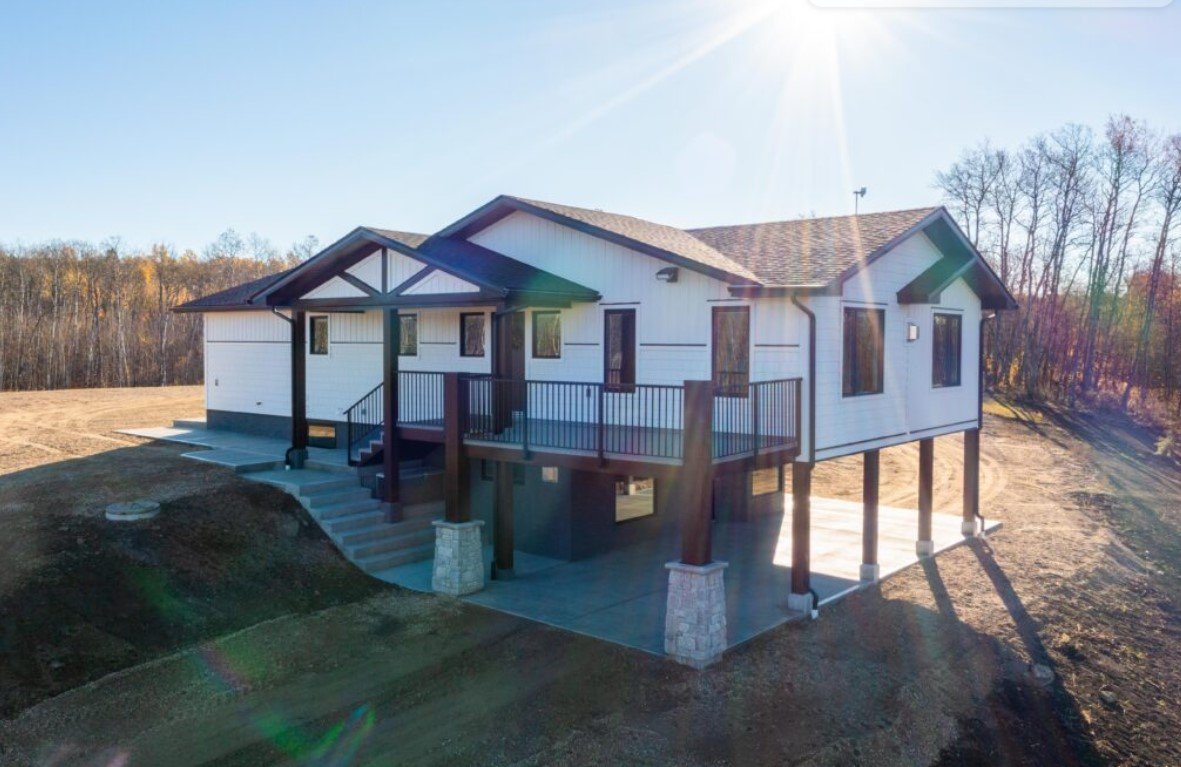
Owning a peaceful home surrounded by open fields, forests, or scenic countryside is a dream shared by many people. While rural living offers privacy, fresh air, and larger property sizes, it also comes with unique planning and construction challenges. Building a Home on Rural Land requires more than simply purchasing a piece of land and hiring a contractor. From checking zoning laws to installing utilities, every step plays an important role in creating a safe and comfortable home.
This comprehensive guide walks first-time buyers through every stage of the process, helping you avoid costly mistakes while making informed decisions.
Why Choose Building a Home on Rural Land?
Many homebuyers are attracted to rural properties because they offer benefits that urban neighborhoods often cannot provide.
Some key advantages include:
- More affordable land prices
- Greater privacy and peaceful surroundings
- Larger lot sizes
- Opportunities for gardening or farming
- Freedom to customize your property
- Less traffic and noise pollution
However, Building a Home on Rural Land also means preparing for additional responsibilities, such as managing utilities, road access, and maintenance.
Step 1: Find the Right Piece of Rural Land
The first step is selecting land that fits both your lifestyle and budget.
Consider factors such as:
- Distance from work and schools
- Road accessibility throughout the year
- Property boundaries
- Flood risk
- Soil quality
- Future development nearby
Before purchasing, request a professional land survey to verify boundaries and identify potential issues.
Step 2: Verify Zoning and Land Use Regulations
Not every rural property allows residential construction.
Contact your local planning office to confirm:
- Residential zoning approval
- Minimum building setbacks
- Maximum building size
- Agricultural restrictions
- Environmental protection requirements
Ignoring zoning regulations can delay construction or even prevent you from building entirely.
Step 3: Test the Land
Professional inspections are essential before construction begins.
Important evaluations include:
Soil Testing
A soil test determines whether the land can safely support your home’s foundation.
Perc Test
If public sewer service is unavailable, a percolation test determines whether a septic system can be installed.
Environmental Assessment
Check for wetlands, protected habitats, or contamination that could affect development.
These tests provide valuable information before investing in construction.
Step 4: Plan Your Budget
One of the biggest mistakes first-time buyers make is budgeting only for the house itself.
When Building a Home on Rural Land, your budget should also include:
- Land purchase
- Survey costs
- Building permits
- Utility installation
- Septic system
- Well drilling
- Driveway construction
- Landscaping
- Contingency fund
Setting aside an additional 10–20% for unexpected expenses is highly recommended.
Step 5: Secure Financing
Financing rural construction differs from buying an existing home.
Common financing options include:
- Construction loans
- Land loans
- Construction-to-permanent loans
- Government-backed rural housing programs
Compare lenders carefully since requirements for rural properties often vary significantly.
Step 6: Design the Right Home
Choose a house design that suits both your family and the land.
Important design considerations include:
Climate
Select insulation, roofing, and windows appropriate for local weather conditions.
Sunlight
Position the home to maximize natural light while improving energy efficiency.
Future Expansion
Plan extra space if you may add garages, workshops, or guest houses later.
An experienced architect can adapt your design to match the property’s terrain.
Step 7: Arrange Utilities
Unlike suburban neighborhoods, rural land often lacks existing utility connections.
You may need to install:
- Private well
- Septic system
- Electricity
- Internet service
- Propane or natural gas
- Drainage systems
Utility installation can take several weeks or even months, so begin planning early.
Step 8: Obtain Building Permits
Before breaking ground, obtain all required permits.
These may include:
- Building permit
- Septic permit
- Well permit
- Electrical permit
- Driveway permit
Starting construction without permits may result in fines and project delays.
Step 9: Hire Reliable Professionals
Building a quality home requires experienced professionals.
Your team may include:
- Architect
- Structural engineer
- General contractor
- Electrician
- Plumber
- Excavation contractor
- Septic installer
Request references, verify licenses, and compare multiple estimates before making hiring decisions.
Step 10: Begin Construction
Construction typically follows these stages:
- Site clearing
- Excavation
- Foundation
- Framing
- Roofing
- Plumbing
- Electrical work
- Insulation
- Drywall
- Interior finishing
- Exterior landscaping
Regular site visits help ensure quality work and timely progress.
Prepare for Rural Living
Moving into a rural home often means becoming more self-sufficient.
You should prepare for:
- Longer emergency response times
- Routine well maintenance
- Septic inspections
- Snow or gravel road maintenance
- Backup generators during power outages
Understanding these responsibilities makes rural homeownership much easier.
Common Mistakes to Avoid
Many first-time buyers encounter avoidable problems.
Avoid these common mistakes:
- Buying land without inspections
- Ignoring zoning regulations
- Underestimating utility costs
- Choosing the lowest contractor bid without checking references
- Forgetting future maintenance expenses
- Skipping contingency savings
Careful planning can prevent expensive surprises throughout the project.
Tips for a Successful Rural Home Build
To improve your experience while Building a Home on Rural Land, remember these practical tips:
- Research local building regulations thoroughly.
- Visit the property in different seasons.
- Hire experienced rural contractors.
- Maintain clear communication with your construction team.
- Keep detailed records of permits and contracts.
- Allow flexibility in your construction timeline.
- Invest in quality materials for long-term durability.
Good preparation often saves both money and stress over the life of the project.
Conclusion
Building a Home on Rural Land is an exciting opportunity to create a personalized living space surrounded by nature. Although the process involves additional planning compared to building in urban areas, careful research and smart decision-making can lead to a rewarding outcome. By selecting suitable land, understanding regulations, planning your budget, installing essential utilities, and working with qualified professionals, first-time buyers can confidently build a home that offers comfort, privacy, and lasting value for years to come.
